Hermès is known for using a wide range of premium leathers, each offering a distinct look, feel, and level of durability. Understanding these materials helps buyers choose a bag that fits both lifestyle and aesthetic preference. Below is a streamlined overview of the most common Hermès leathers, focusing on texture, performance, and practical use.
Grained Leathers: Practical and Durable Choices
Togo Leather
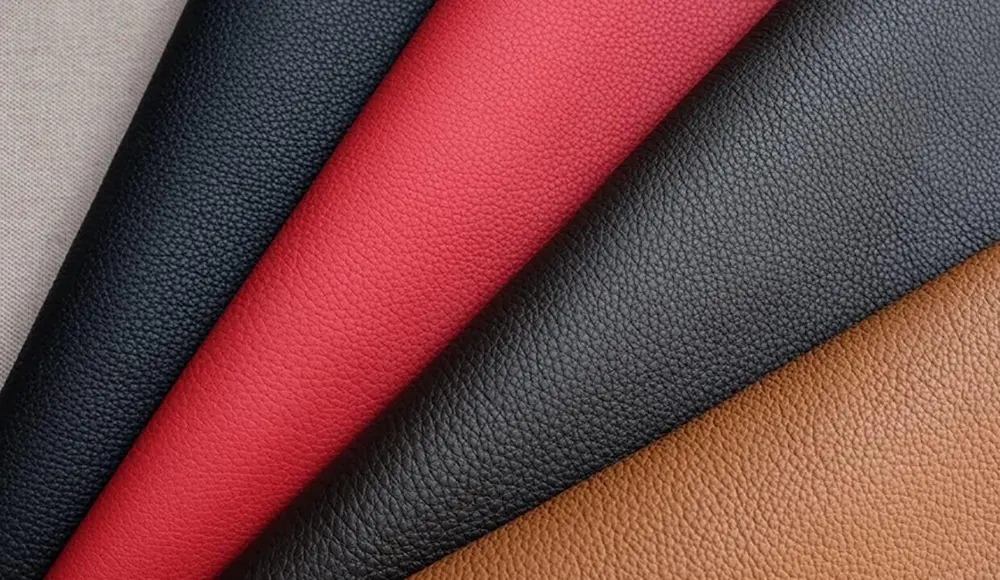
Togo leather is made from calfskin and is one of the most popular Hermès materials. Introduced in 1997, it features a natural pebbled grain with visible veining that varies from piece to piece. The leather is lightweight, holds its shape well, and reflects light softly, which helps disguise scratches. Its balance of structure and flexibility makes it ideal for everyday bags such as the Birkin.
Clémence Leather
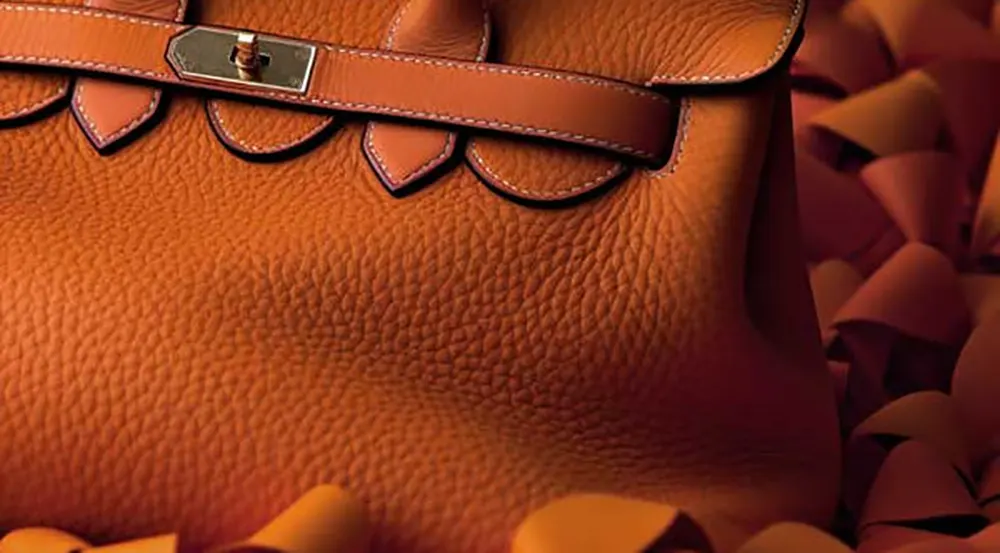
Clémence is produced from taurillon bull calf leather and is softer and heavier than Togo. It has a larger, rounder grain and a noticeably supple feel. Bags made from Clémence tend to develop a relaxed, slouchy shape over time, which many users find appealing. It is durable but better suited for those who prefer a softer silhouette rather than a rigid form.
Epsom Leather
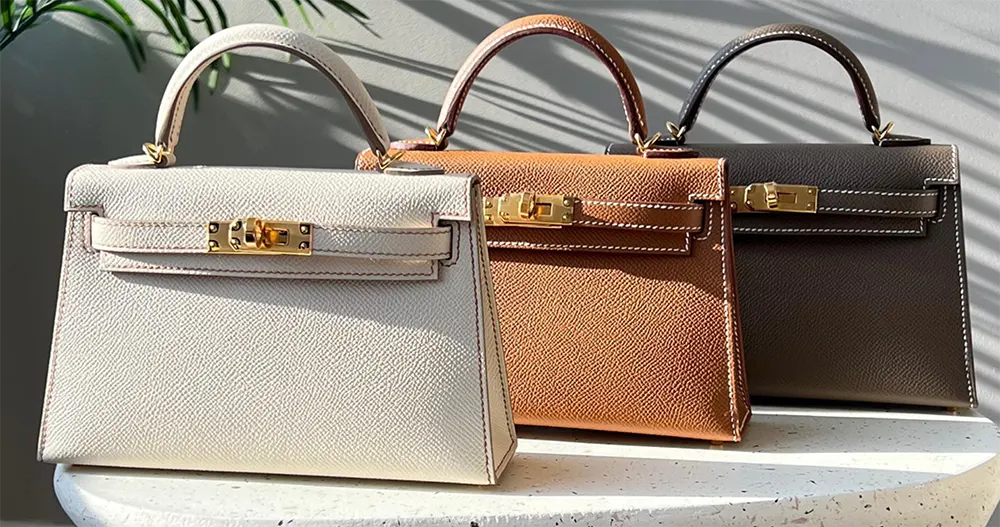
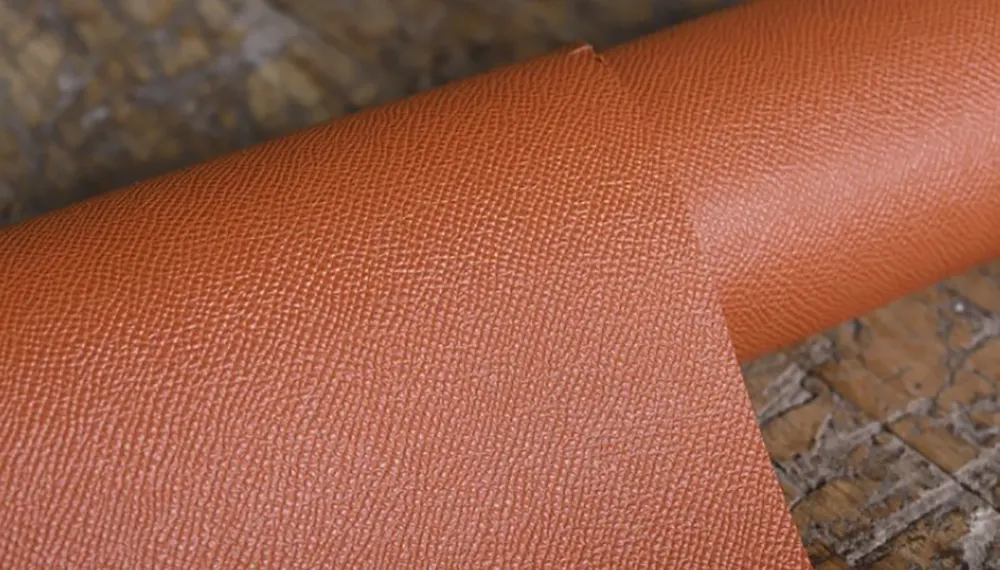
Epsom leather is heat-embossed, giving it a uniform, structured appearance. Introduced in 2003, it is lighter than Togo and highly resistant to scratches and moisture. Epsom holds color extremely well, resulting in bright, defined shades. Due to its stiffness and excellent shape retention, it is often chosen for structured bags and small leather goods.
Smooth Leathers: Classic and Refined
Box Leather
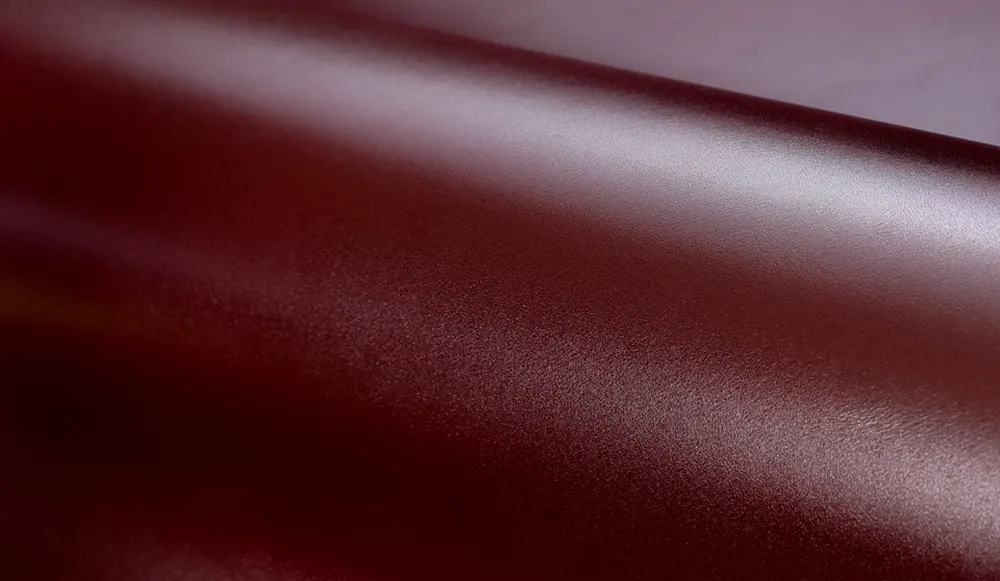
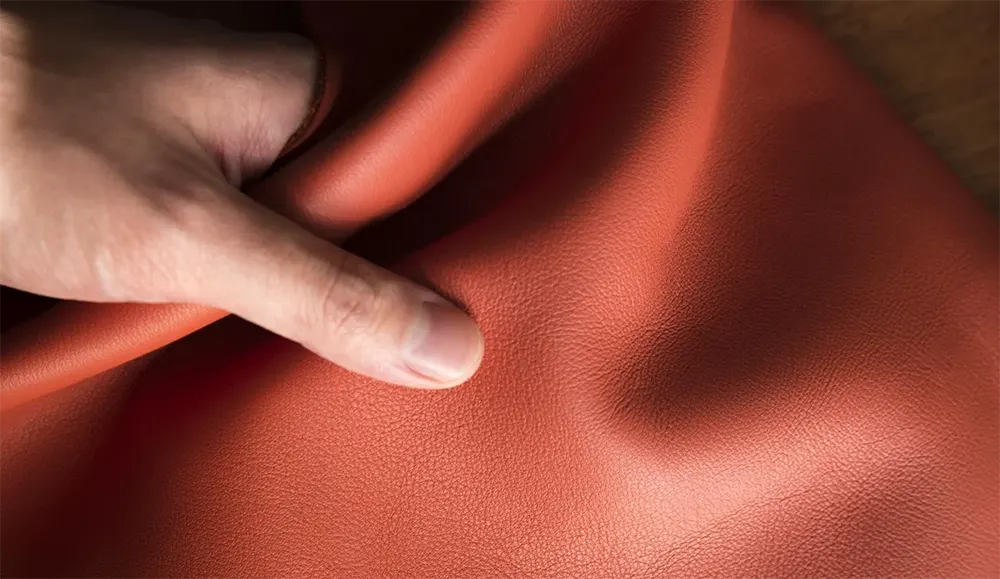
Box leather is one of Hermès’ oldest materials, known for its smooth and glossy surface. While it shows scratches more easily than grained leathers, it develops a rich patina over time. Box leather is valued for its timeless elegance and is often associated with vintage and formal styles.
Swift Leather
Swift leather has a fine, smooth grain with a soft, flexible feel. It highlights color beautifully and feels lightweight in hand. Although more delicate than grained leathers, Swift becomes softer with use and is appreciated for its refined, modern appearance.
Exotic Leathers: Rare and Distinctive
Porosus Crocodile
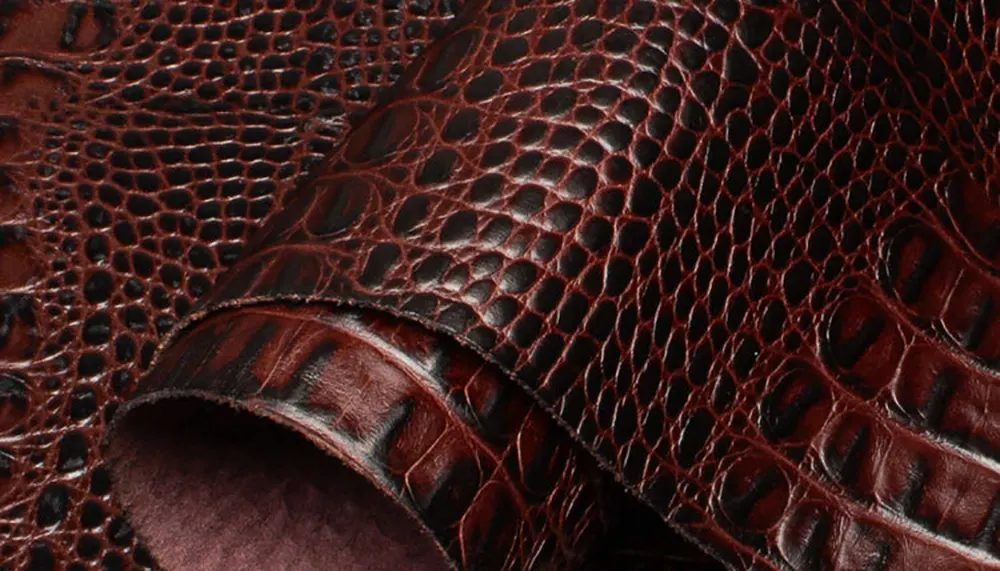
Porosus crocodile leather is the most prestigious exotic material used by Hermès. It features small, symmetrical scales and a naturally glossy finish. This leather is highly durable, absorbs color deeply, and is considered an investment-grade option.
Ostrich & Lizard Leather
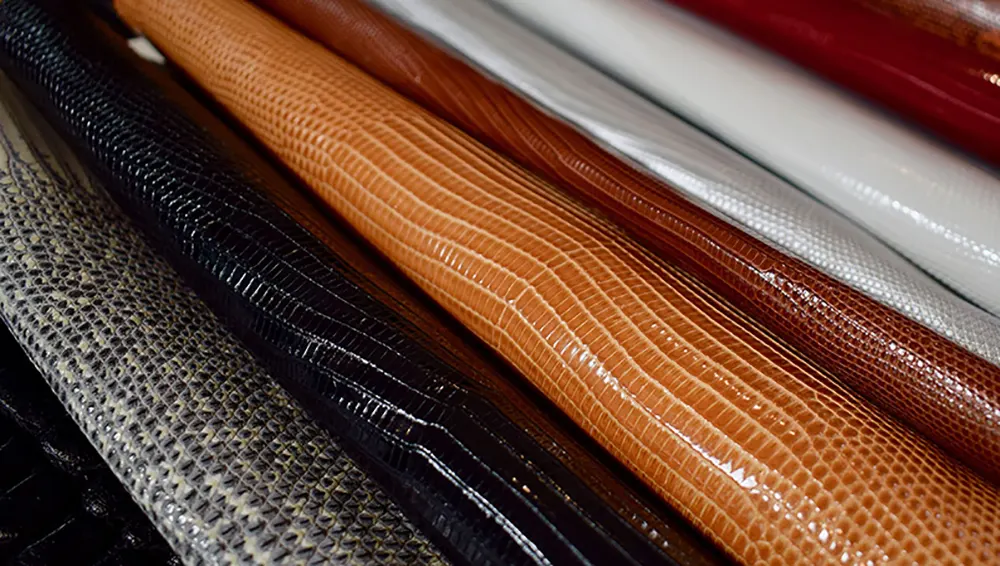
Ostrich leather is recognizable by its quill pattern and is both lightweight and durable, with excellent color absorption. Lizard leather offers a fine, elegant scale texture and is more delicate, making it suitable for smaller bags and special occasions.
How to Match Leather to Your Lifestyle
Choosing the right Hermès leather ultimately comes down to how you plan to use the bag:
- Daily Use: Durable, grainy leathers like Togo and Epsom hold up well against scratches and frequent handling.
- Formal or Structured Bags: Smooth or embossed options (like Box or Epsom) help preserve sharp silhouettes.
- Rare or Collector Pieces: Exotics such as Porosus Crocodile and Ostrich elevate exclusivity and long-term value.
Leather Care Essentials
To preserve the beauty and longevity of your Hermès piece:
- Store bags in a cool, dry place with stuffing to support shape.
- Clean with lint-free cloths and avoid overusing conditioners or solvents.
- For exotic skins, protect against humidity and direct sunlight to prevent dryness or color fading.
Final Thoughts
Hermès’ diverse leather catalogue offers something for every preference — from structured elegance to soft, grainy texture and rare exotic finishes. Understanding how each material behaves and suits your lifestyle will help you choose a piece that is not only beautiful but enduringly functional.